Custom parts made easier, faster!
Comprehensive Manufacturing Solutions
Online Chat
EN
Tin Plating
Your one-stop manufacturing and surface treatment solution. Perform CNC machining, sandblasting, anodizing, or powder coating on your metal and plastic parts in as little as 5 days.
Get instant quote
Tin Plating
Definition and Function
  • Tin plating is a surface treatment process in which a layer of tin is deposited on the surface of a metal or other conductive substrate by electroplating or hot-dipping.
  • The tin layer provides excellent solderability, corrosion resistance, and electrical conductivity. It effectively protects the substrate from oxidation and improves subsequent soldering and connection performance.
  • Tin plating is widely used in electronics, electrical equipment, telecommunications, automotive parts, food packaging, and precision connectors.
Colors
Image 1834
Silver-White
Image 1837
Light Gray

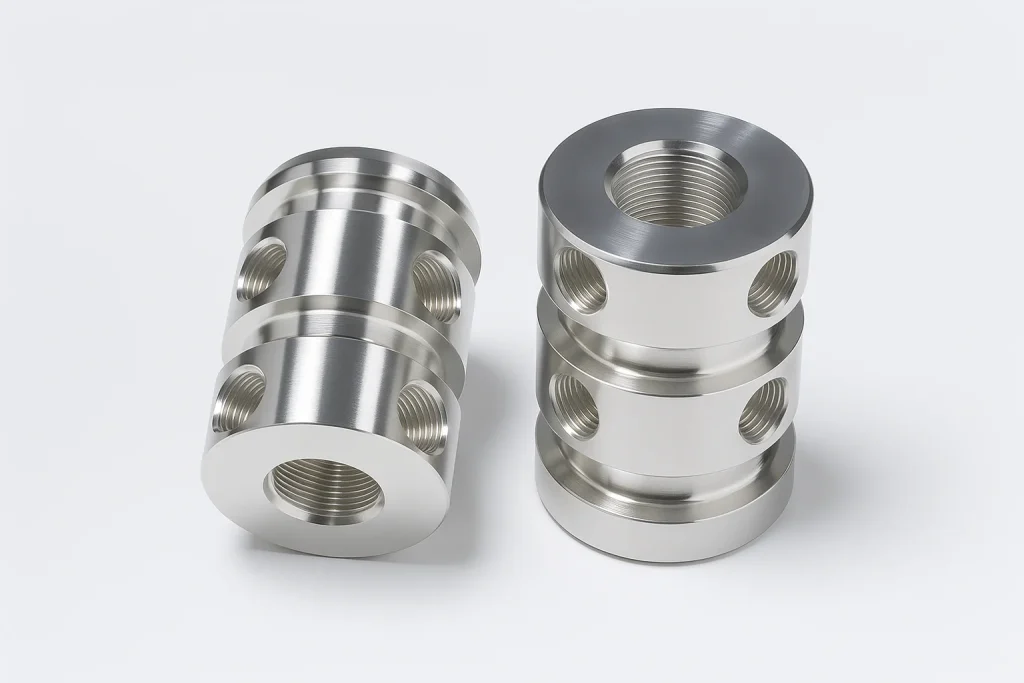
The surface of tin plating typically appears silver-white or light gray with a soft metallic luster and moderate reflectivity.Different processes can achieve various appearances, such as:

Bright Tin: High-gloss silver-white finish with strong decorative effect.

Matte Tin: Low reflectivity with a smooth and fine surface.

Tin Alloy Coating: Tin combined with lead, copper, or silver to improve soldering performance.

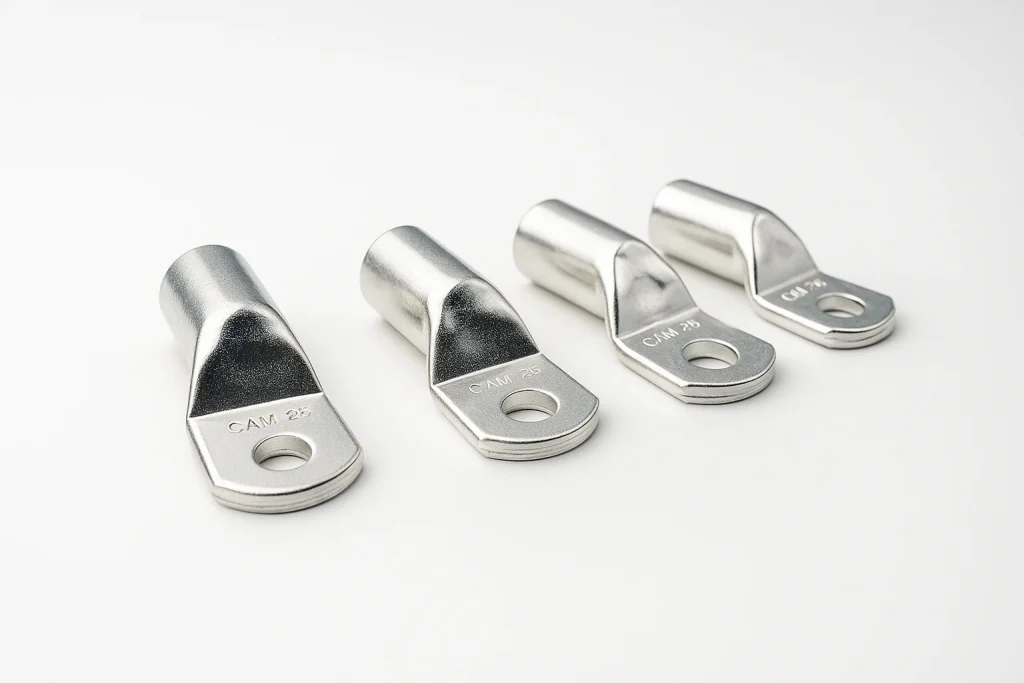
Tin Plating 镀锡 示例3
Example of a bead-milled + anodized colored part
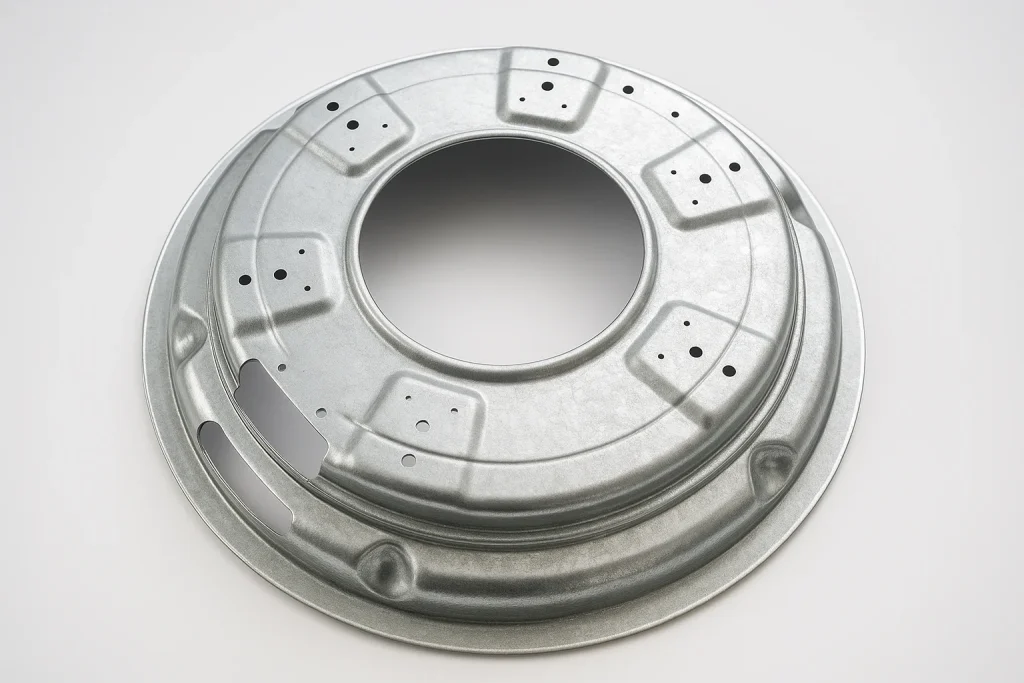
20251026 2001 镀锌表面圆盘 Remix 01k8g67zg5emda5ytrz8mkp8ed
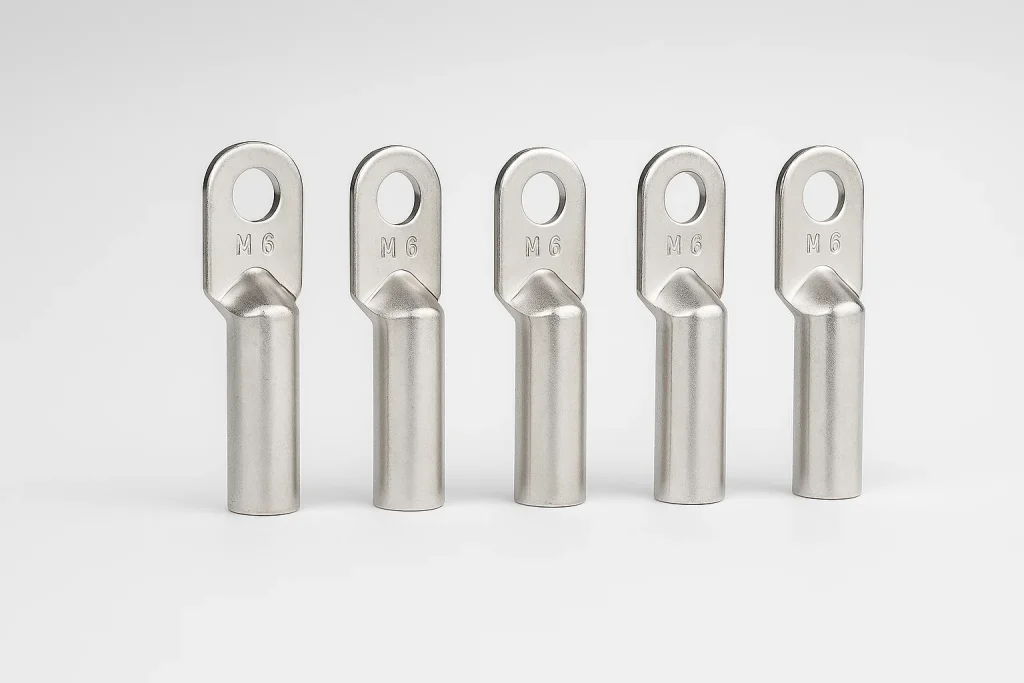
Tin Plating 镀锡 示例4
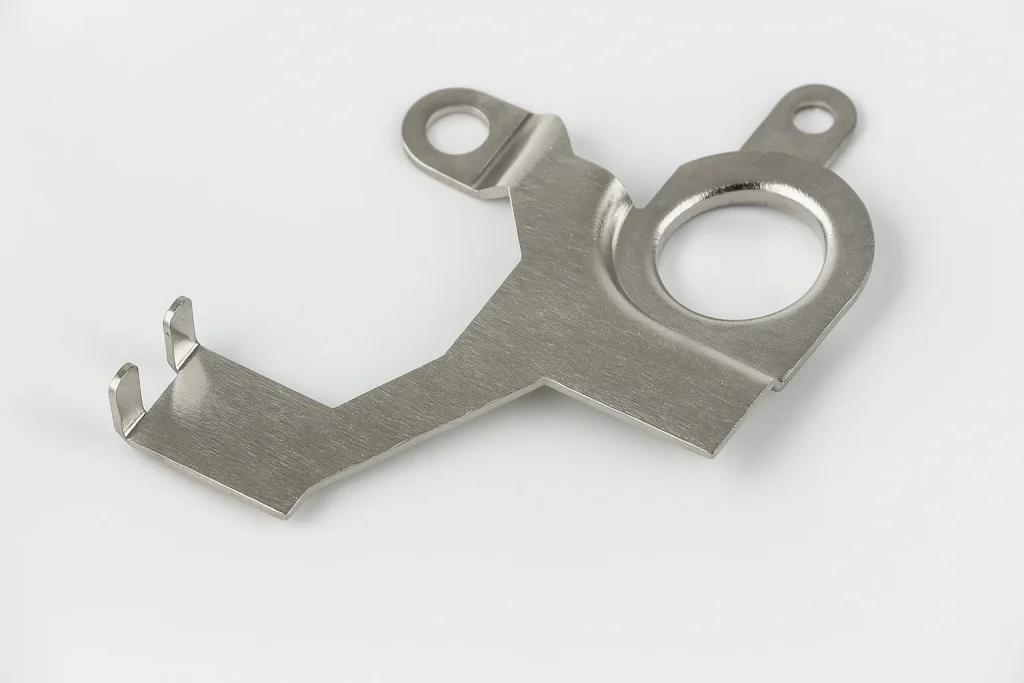
Tin Plating 镀锡 示例2
Tin Plating 镀锡 示例1
Technical Properties
Applicable Substrates Edge and Burr Coverage Appearance Adhesion Hardness Corrosion Resistance Coating Thickness Gloss Solderability
Copper, brass, phosphor bronze, stainless steel, steel, etc. Good; coating is continuous and uniform Silver-white to gray-white with a smooth texture Excellent; meets ASTM B545 and related standards HV 10–30 (soft), with good ductility Excellent; protects substrate from oxidation Typically 1–15 μm; up to 30 μm for special applications Medium to high reflectivity with stable color Excellent; suitable for wave soldering, reflow soldering, and other processes
Applicable Materials
Metals: Aluminum Stainless Steel Brass Copper Titanium Mild Steel Alloy Steel Tool Steel Spring Steel
Process Characteristics

Uniform coating with strong adhesion through electroplating or hot-dip plating.

Excellent solderability, ideal for electrical and electronic connections.

Good oxidation and corrosion resistance.

Non-magnetic, suitable for high-frequency applications.

Environmentally friendly processes available (lead-free tin plating).

Strict pretreatment required to ensure coating quality and adhesion.