Custom parts made easier, faster!
Comprehensive Manufacturing Solutions
Online Chat
EN
Silkscreen
Your one-stop manufacturing and surface treatment solution. Perform CNC machining, sandblasting, anodizing, or powder coating on your metal and plastic parts in as little as 5 days.
Get instant quote
Silkscreen
Definition and Function
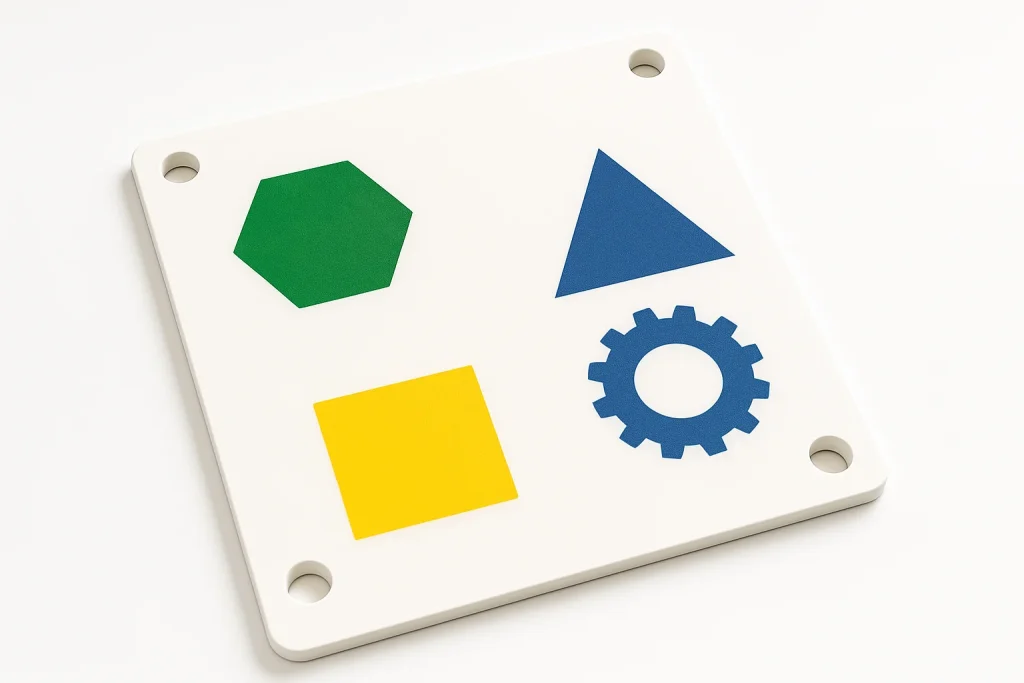
  • Silkscreen printing is a printing technique that uses a metal or nylon mesh stencil with a design, through which ink is pressed onto a substrate surface to create text, graphics, or patterns.
  • Applicable Range: Limited to flat surfaces; not suitable for curved or three-dimensional objects.
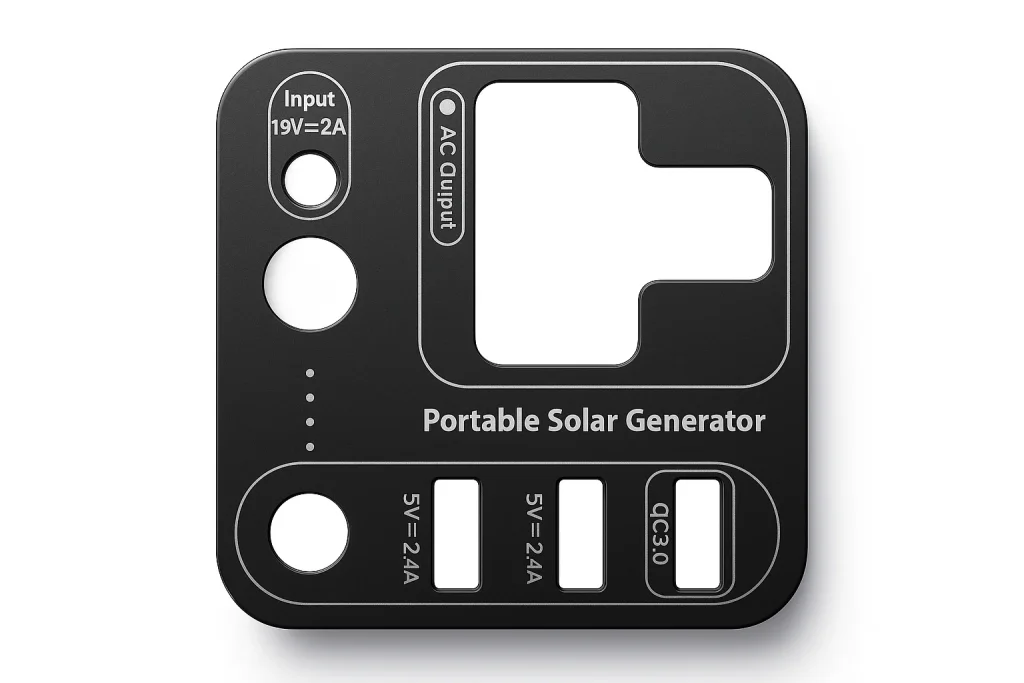
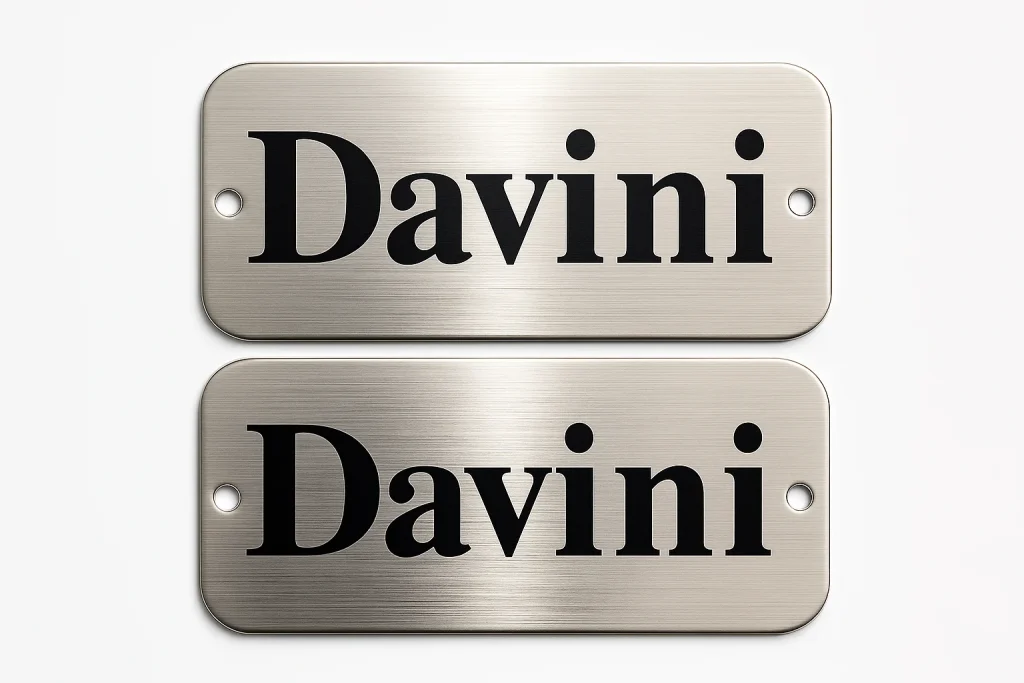
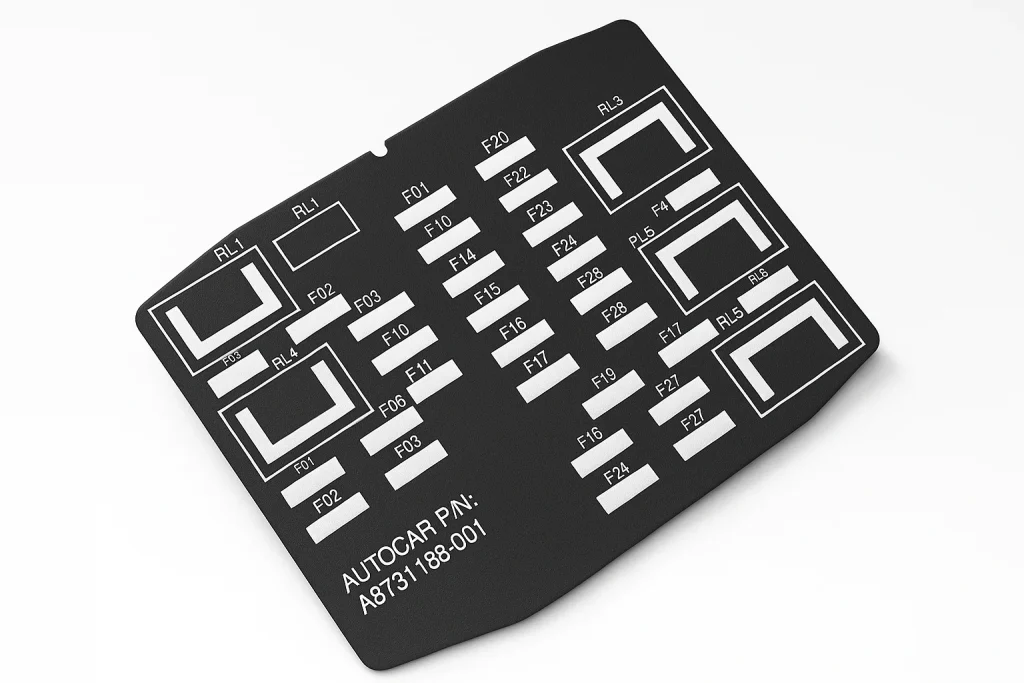
  • Main Purpose: Used for batch production of high-quality patterns, signage, decorative designs, and functional prints (such as electronic panels, signage, clothing patterns, etc.), combining aesthetics with durability.
Colors
Image 1834
Silver
Image 1839
Gold
Image 1836
Green
Image 1837
Gray
Image 1838
Blue
Image 1835
Red
Image 1834 (1)
Champagne
Image 1832
Black

Silkscreen can utilize all standard colors, covering a wide range from bright, pure hues to soft tones.

Color Advantages: The ink layer can be applied thickly, providing high color saturation and strong opacity. Even on dark or special materials, the prints remain clear and vivid.

Gradients and Special Effects: Complex gradients are difficult to achieve in a single print but can be realized through color separation, overprinting, or auxiliary techniques.

Material Compatibility: Different substrate materials affect ink absorption and color appearance, so it is recommended to produce sample prints for critical colors in advance.


Silkscreen 丝印 示例2
Example of a bead-milled + anodized colored part
Silkscreen 丝印 示例1
Silkscreen 丝印 示例4
Silkscreen 丝印 示例3
Technical Properties


Color Stability Printing Precision Durability Material Versatility
Thick ink layers provide high color saturation with good resistance to light, wear, and water Suitable for medium to low precision or moderately detailed patterns and text; details smaller than the mesh size may not be fully rendered Silkscreen prints are highly durable and resistant to fading or peeling over long-term use Can be applied to paper, plastic, glass, metal, textiles, and other materials; different materials require appropriate inks and curing methods
Applicable Materials
Plastic: ABS Polycarbonate (PC) Nylon Polypropylene (PP) POM PTFE (Teflon) PMMA (Acrylic ) Polyethylene (PE) PEEK Bakelite FR4 Carbon Fiber
Process Characteristics

Flat Surface Limitation: Silkscreen printing can only be performed on flat surfaces; curved or three-dimensional objects cannot be printed directly.

File Requirements: Design files should be in AI or SVG vector formats, with dimensions and positions indicated on the 2D technical drawings.

Operating Procedure: Prepare the screen → Prepare the substrate → Apply ink using a squeegee → Dry or cure → Conduct quality inspection.

Batch Adaptability: Suitable for medium to large-scale production; single-piece or small-batch production is relatively costly.