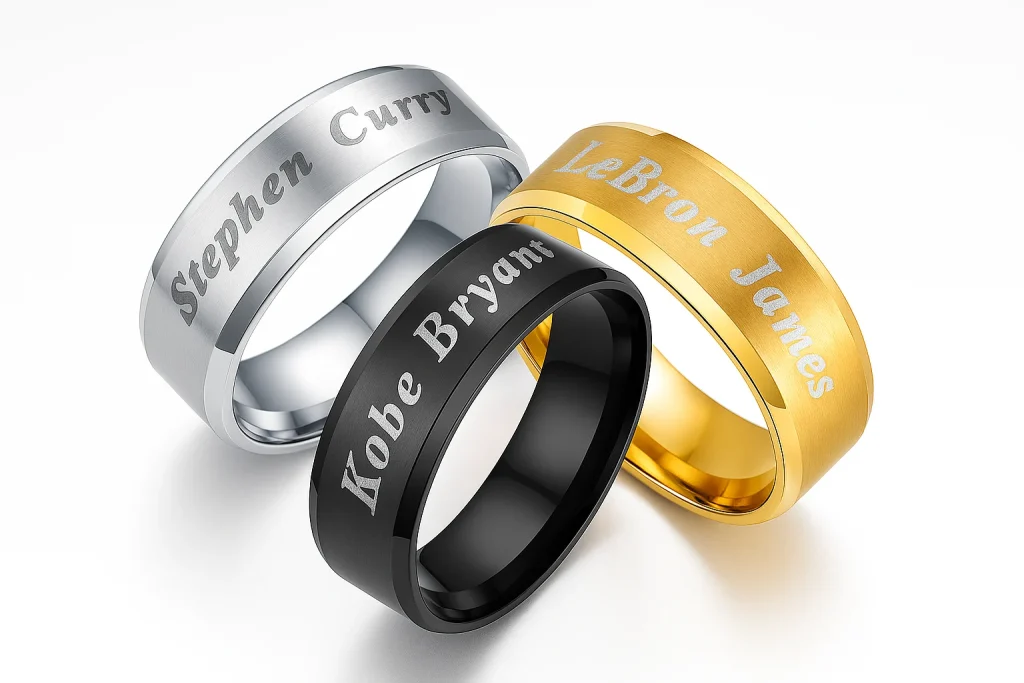
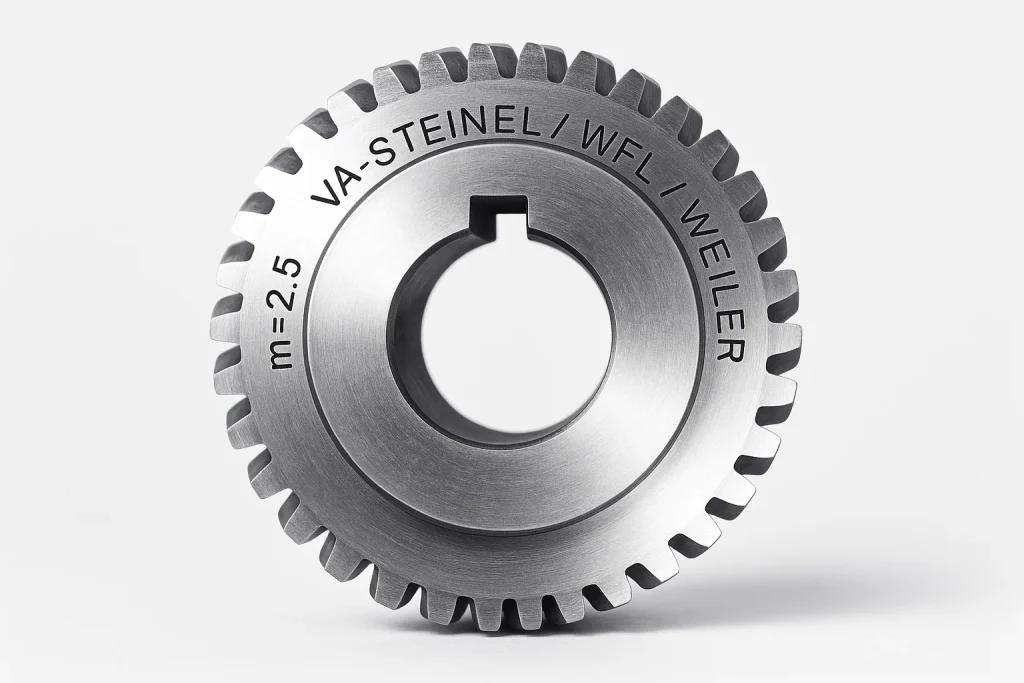
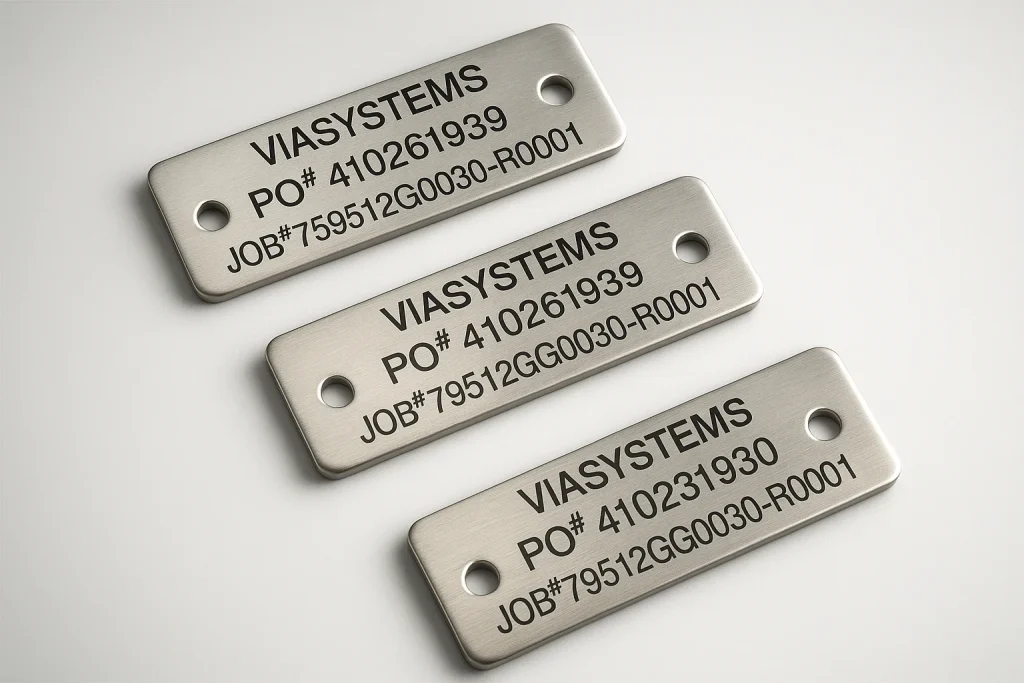
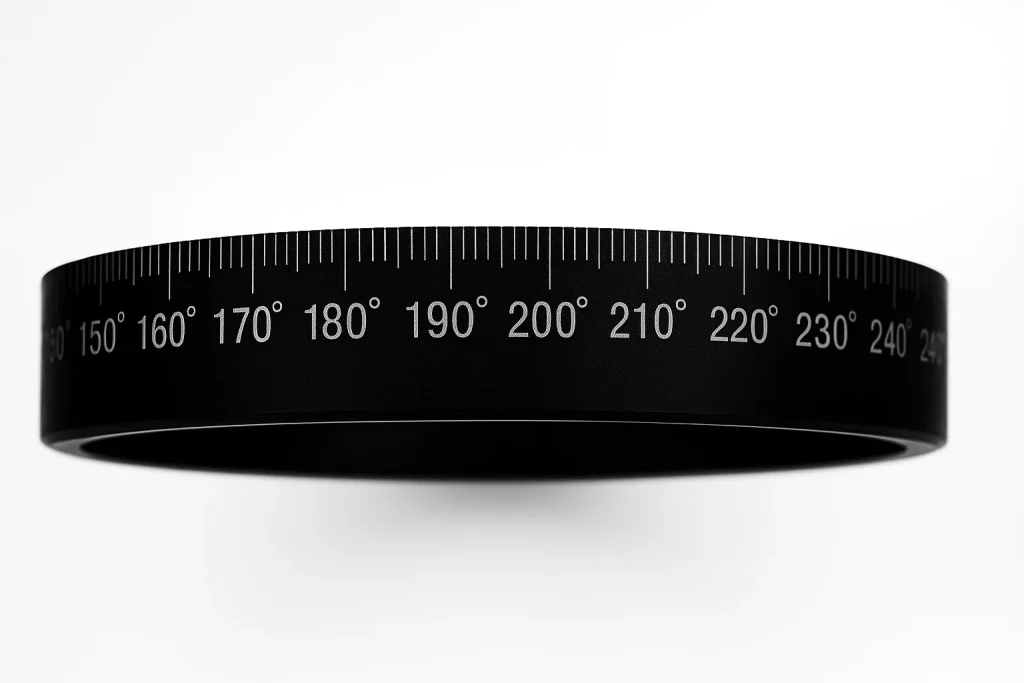
Laser engraving itself does not add color; it works by removing or altering the surface material.
Color Effects: The appearance depends on the substrate—engraving on metals, wood, or acrylic may reveal contrasting tones, charred patterns, or frosted effects.
Special Effects: Surface finishing techniques (anodizing, painting, or inlaying) can enhance visual contrast or add color.
Material Compatibility: Different materials react differently to laser power and speed; it is recommended to test settings on sample pieces to achieve the desired effect.

| Precision | Durability | Material Versatility | Safety |
|---|---|---|---|
| Capable of fine details, sharp edges, and high-resolution text or patterns | Marks are permanent, resistant to wear, fading, or chemical exposure, depending on the material | Can engrave on metals, wood, glass, acrylic, plastic, leather, and ceramics; parameters must be adjusted for each material to prevent burning, cracking, or melting | Requires proper ventilation and protective measures due to smoke, fumes, and laser exposure |
Surface Flexibility: Can work on flat or slightly curved surfaces but is limited on highly irregular or soft objects.
File Requirements: Design files should be in vector format (AI, SVG, or DXF) for precise cutting or etching, with clear dimensions and positions marked.
Operating Procedure: Prepare design → Set laser parameters → Align substrate → Laser engraving → Optional post-processing (cleaning, polishing, or finishing) → Quality inspection.
Batch Adaptability: Suitable for both single-piece customization and medium-scale production; production speed depends on complexity and material type.