Custom parts made easier, faster!
Comprehensive Manufacturing Solutions
Online Chat
EN
Introduction to Passivation
Your one-stop manufacturing and surface treatment solution. Perform CNC machining, sandblasting, anodizing, or powder coating on your metal and plastic parts in as little as 5 days.
Get instant quote
Introduction to Passivation
Definition and Function
  • Passivation is a chemical surface treatment process in which metals—typically stainless steel or corrosion-resistant alloys—are immersed in a specific acidic solution to form a thin, dense, and stable oxide film on the surface.
  • This protective layer removes free iron and surface contaminants, preventing further oxidation and corrosion, thus significantly enhancing the corrosion resistance and service life of the component.
  • The process does not alter the part’s dimensions or mechanical properties and is widely used in precision components, medical instruments, electronic housings, and food processing equipment.
Colors
Image 1839
Gold

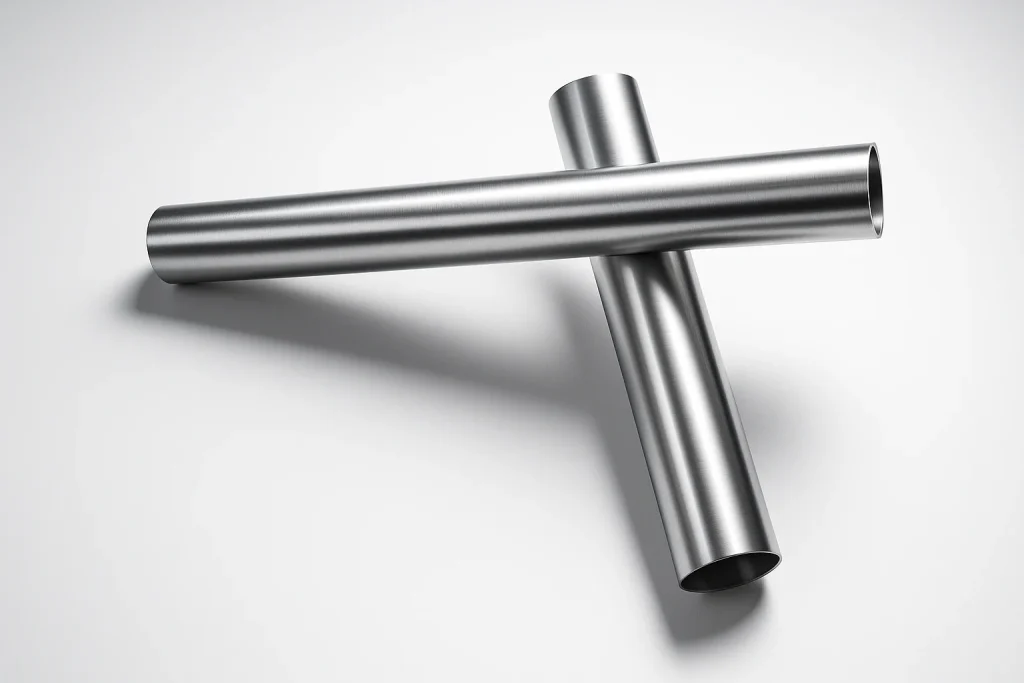
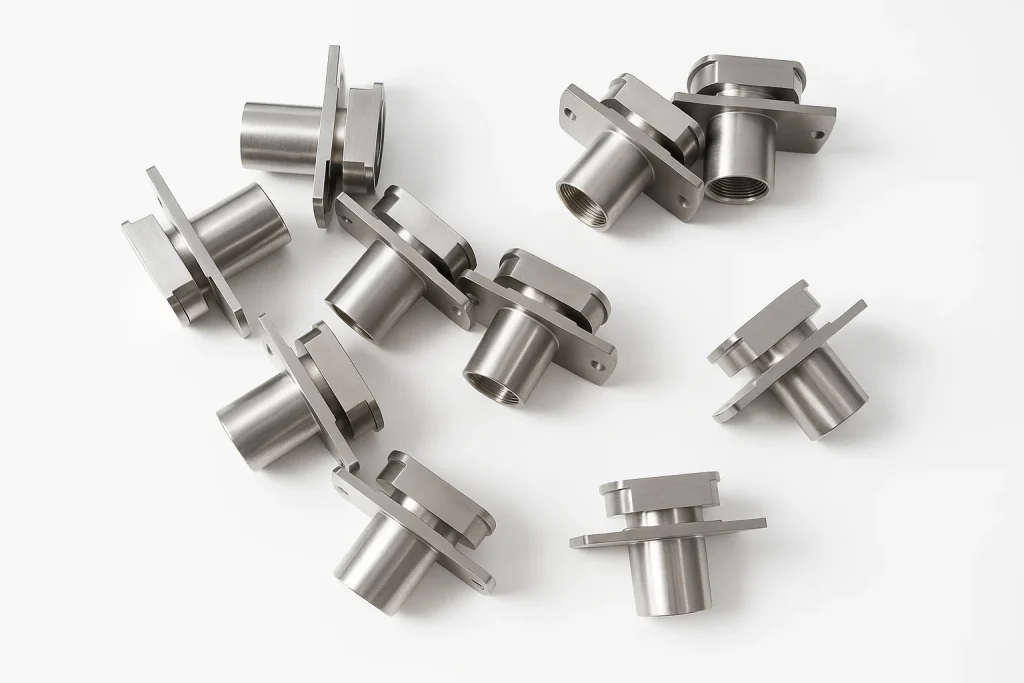
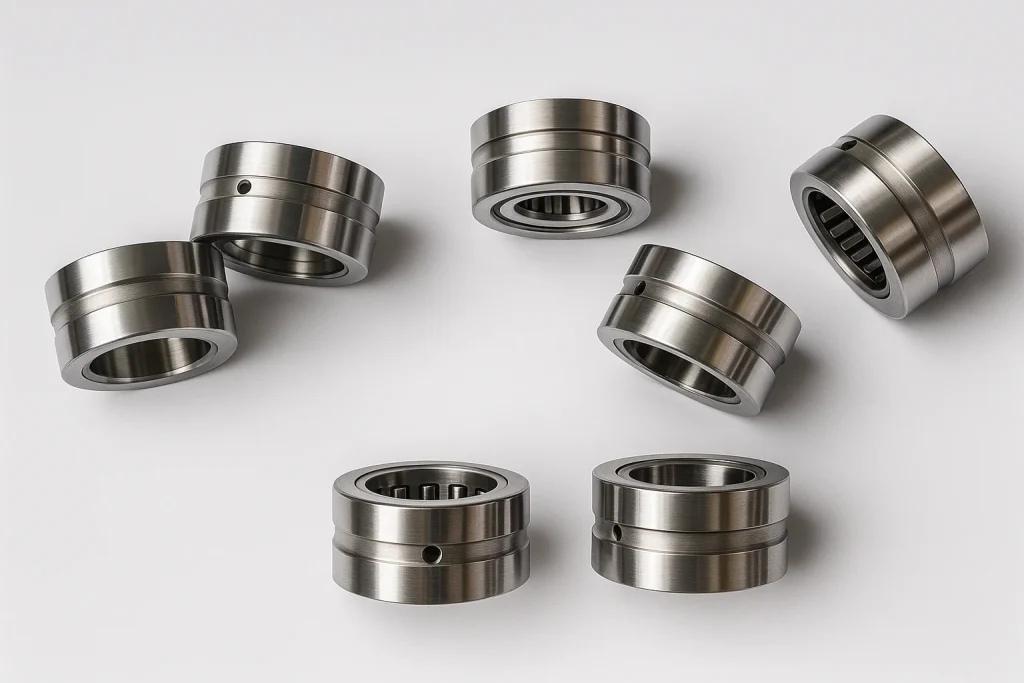
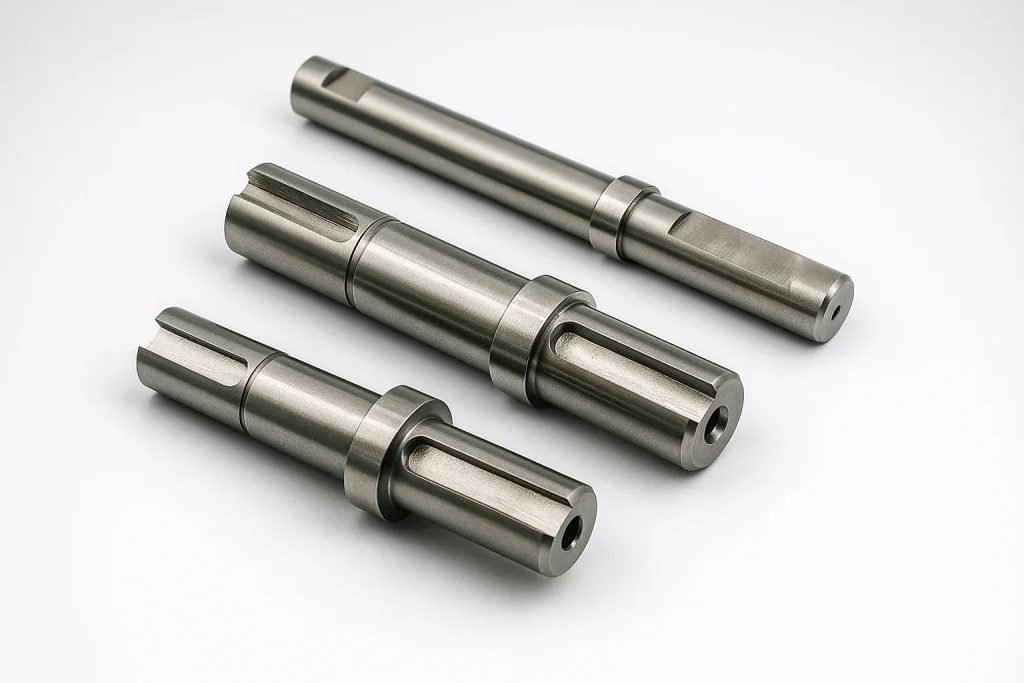
The passivated surface generally retains its metallic appearance—bright, clean, and uniform—with no visible coating.

Depending on the material and process conditions, a slight silvery or light gray hue may appear.

钝化 示例2
Example of a bead-milled + anodized colored part
钝化 示例1
钝化 示例4
钝化 示例3
Technical Properties


Corrosion Resistance Film Thickness Appearance Coating Compatibility Stability
Greatly improved, compliant with ASTM A967 and ISO 16048 standards Approximately 0.01–0.1 μm, transparent and colorless Smooth, clean, and residue-free surface Does not interfere with subsequent painting, plating, or marking The passive layer remains stable over time, preventing re-oxidation
Applicable Materials
Metals: Stainless Steel
Process Characteristics

Conducted by chemical immersion with no effect on dimensional accuracy.

Effectively removes free iron, welding residues, and contaminants.

Forms a dense and uniform oxide film that stabilizes the metal surface.

Can be applied after machining, polishing, bead blasting, or cleaning.

Environmentally friendly citric-based passivation processes are available to replace nitric acid systems.