Custom parts made easier, faster!
Comprehensive Manufacturing Solutions
Online Chat
EN
Brushed
Your one-stop manufacturing and surface treatment solution. Perform CNC machining, sandblasting, anodizing, or powder coating on your metal and plastic parts in as little as 5 days.
Get instant quote
Brushed
Definition and Function
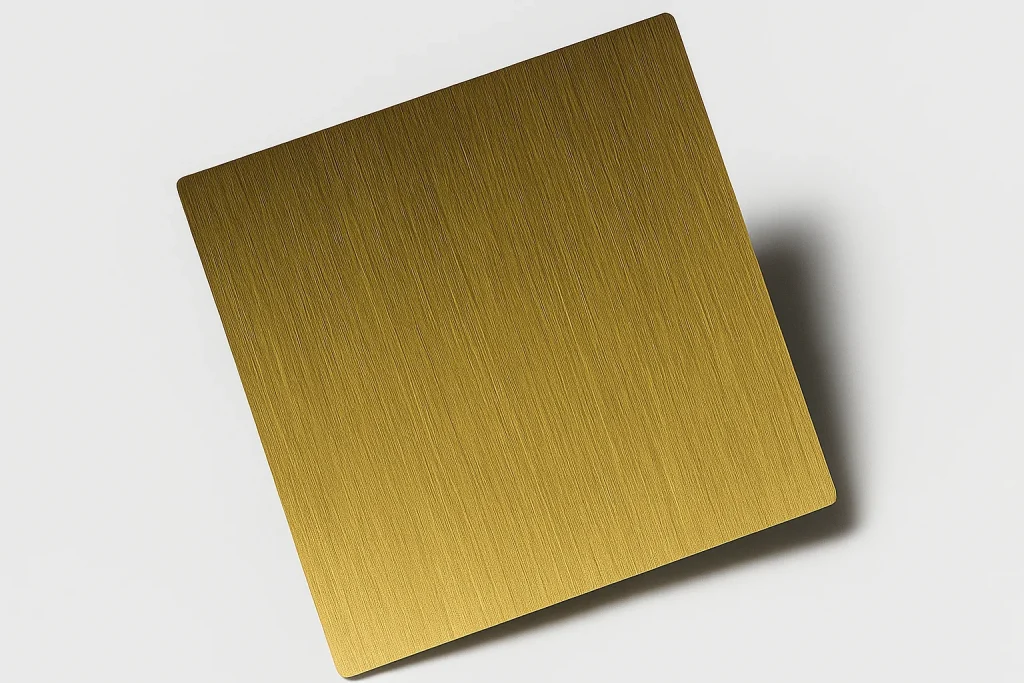
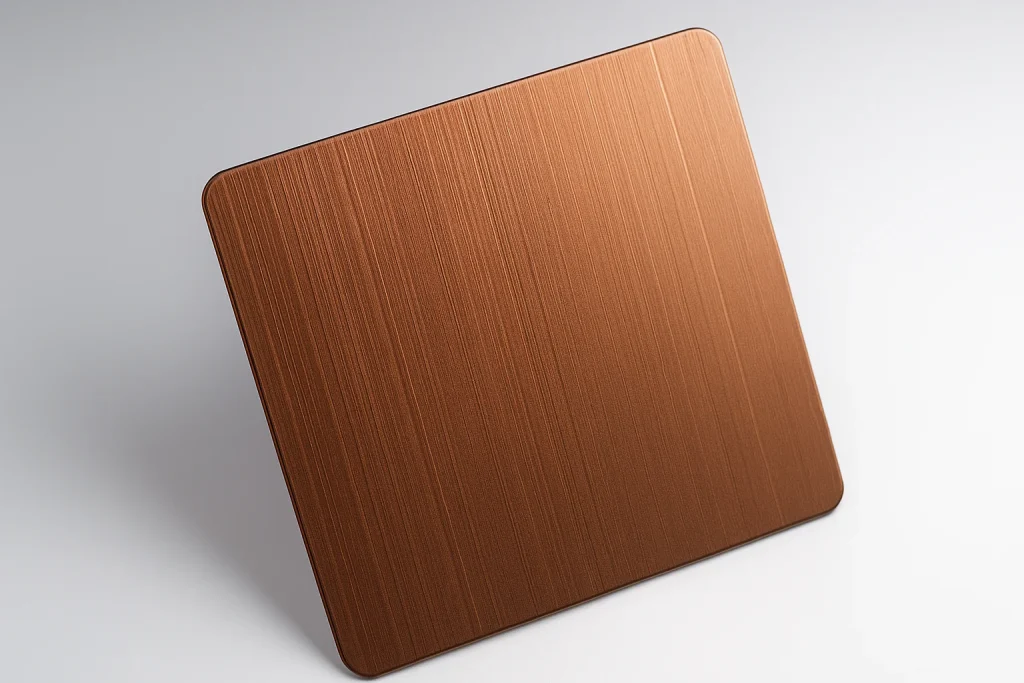
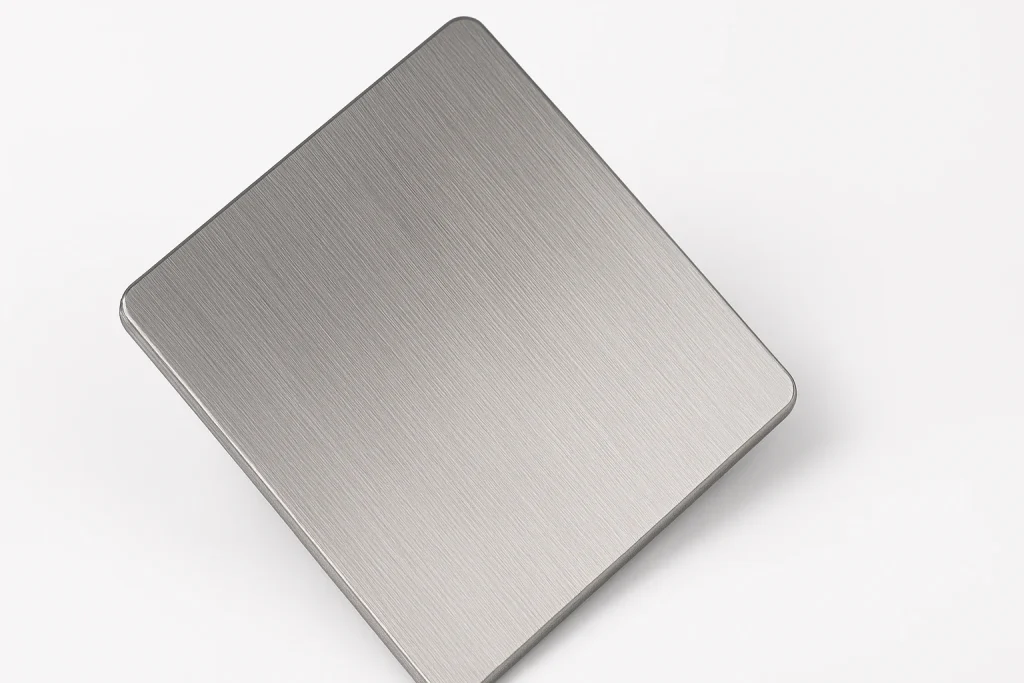
  • Brushing is a surface finishing process that uses abrasive belts or wheels to create uniform linear textures (brushed lines) on the surface of a material, resulting in a delicate metallic matte sheen.
  • It helps to reduce the visibility of machining marks and minor scratches, minimizes fingerprints, and enhances surface aesthetics and texture.
  • Common abrasive belt grits range from #80 to #120, though finer or coarser options can be used as needed. Finer grits produce smoother and softer reflective effects.
Colors
Image 1837
Gray
Image 1834
Silver

Brushing itself does not change the material’s color; the most common appearance is silver-gray, reflecting the natural color of aluminum or stainless steel.

It can be combined with anodizing, electroplating, or clear coating to achieve different color tones and corrosion resistance while retaining visible linear grain texture.

Slight variations in gloss or tone may occur between batches or different alloy compositions.

Brushed 拉丝2
Example of a bead-milled + anodized colored part
Brushed 拉丝3
Brushed 拉丝4
Galvanization 镀锌 示例2 28
Technical Properties
Applicable Materials Burrs and Sharp Edges Appearance Tolerance Corrosion/Wear Resistance Post-processing
Metals (especially aluminum, aluminum alloys, and stainless steel) Removed Linear brushed texture with a premium metallic finish and soft reflection As a subtractive surface process, brushing causes slight dimensional changes depending on grit, pressure, and number of passes; critical fit areas should be verified after finishing Brushing itself provides no protection; for improved corrosion and wear resistance, it is recommended to combine with anodizing, clear coating, or plating Compatible with laser engraving, screen printing, and follow-up coloring or coating; ensure proper surface cleaning and grain direction alignment before secondary processes
Applicable Materials
Metals: Aluminum Stainless Steel Brass Copper Titanium Mild Steel Alloy Steel Tool Steel Spring Steel
Process Characteristics

Grain direction can be customized: unidirectional, cross, or circular, and should be specified in drawings or orders.

The appearance is uniform with soft reflections, less sensitive to small scratches and fingerprints, and easy to maintain.

Parts are held by fixtures during brushing; minor fixture marks may occur but are typically placed in inconspicuous areas after assembly.

For sharp edges, holes, threads, or precision fit surfaces, masking or post-machining is recommended to avoid affecting fit or tolerance.