Custom parts made easier, faster!
Comprehensive Manufacturing Solutions
Online Chat
EN
Dyeing
Your one-stop manufacturing and surface treatment solution. Perform CNC machining, sandblasting, anodizing, or powder coating on your metal and plastic parts in as little as 5 days.
Get instant quote
Dyeing
Definition and Function
  • Plastic dyeing is a process in which dye molecules are absorbed, diffused, or chemically bonded to the surface of plastic, forming a uniform and stable color layer. Temperature, time, and dye concentration are critical factors controlling the depth, uniformity, and fastness of the dye. The primary purpose is to impart desired color to plastic products, enhancing aesthetics and recognition.
Colors
Image 1832
Black
Image 1835
Red
Image 1836
Green
Image 1838
Blue
Yellow

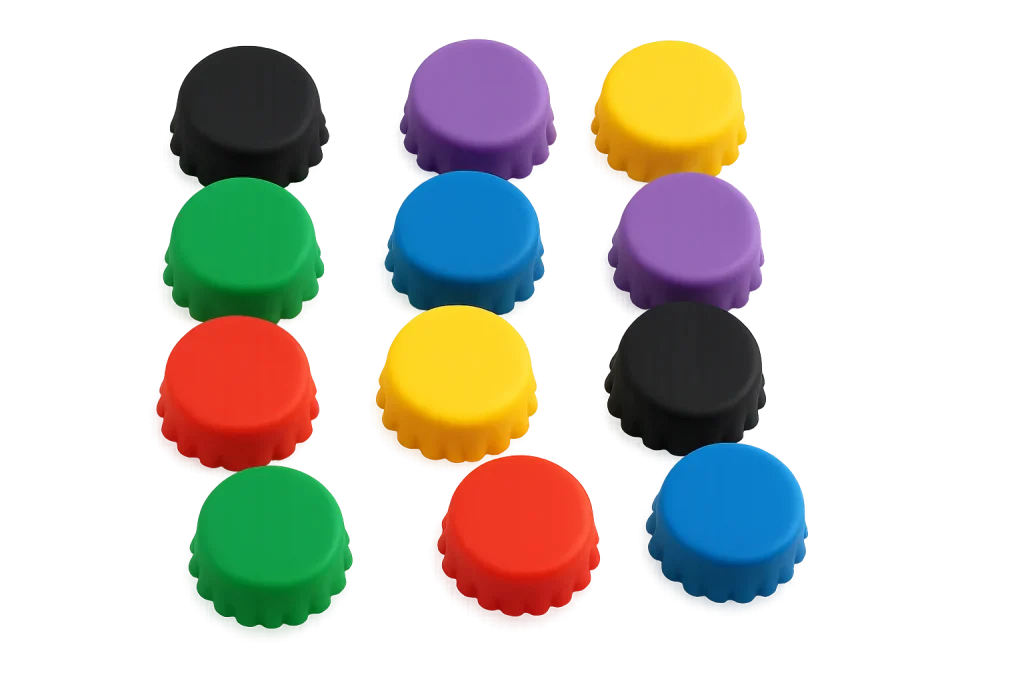
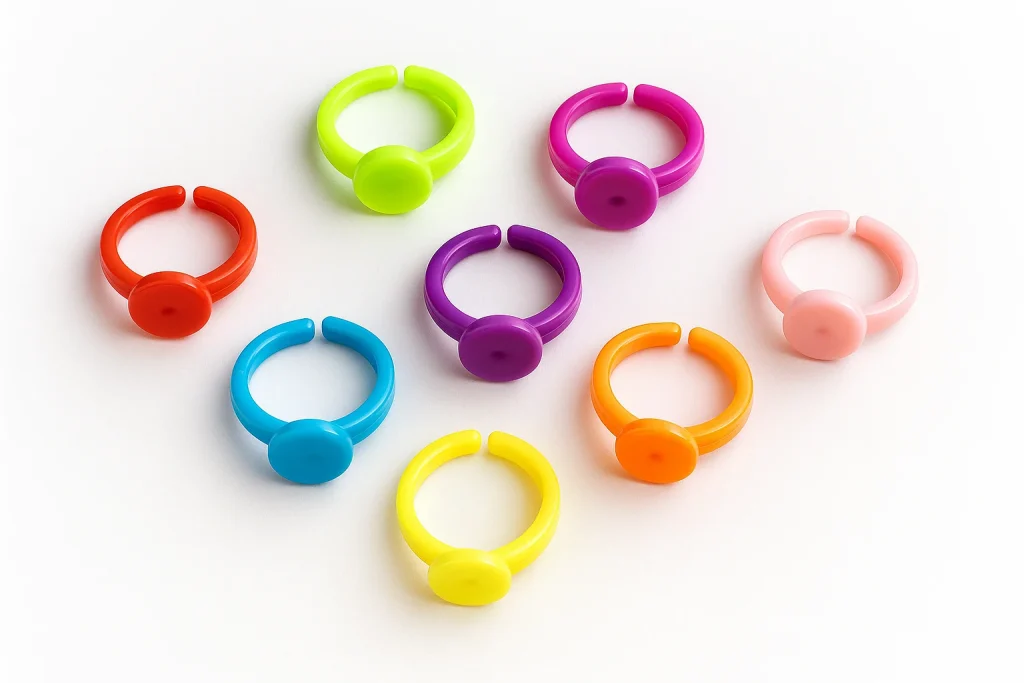
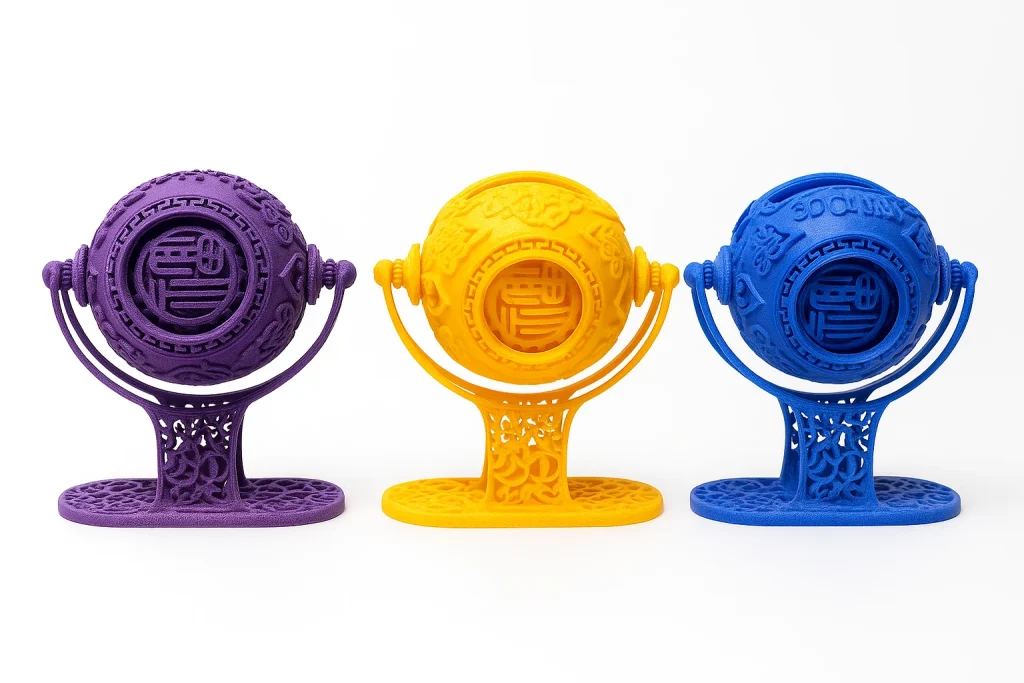
Plastic dyeing offers a wide range of colors, commonly including black, blue, red, green, yellow, etc. By adjusting the type of dye, concentration, temperature, and dyeing duration, different color depths, transparency, and gloss can be achieved.

Dyeing 染色 示例1
Example of a bead-milled + anodized colored part
Dyeing 染色 示例3
Dyeing 染色 示例2
Technical Properties
Color Uniformity Adhesion Lightfastness Temperature Resistance Typical Applications
Excellent (ΔE < 2.0, depending on material and process) Medium to high, depending on dye-plastic affinity Good, though some organic dyes may fade under prolonged UV exposure Suitable for room temperature up to ~80°C Electronic housings, appliance panels, plastic components, toys, decorative parts
Applicable Materials
Plastic: ABS Resin
Process Characteristics

Dye penetrates the plastic surface via absorption or diffusion;

Temperature, time, and dye concentration are key to color uniformity and depth;

Suitable for thermoplastics such as ABS, PC, PP, Nylon, etc.;

Achieves stable color and consistent appearance for batch production;

Post-dye surface finishing or coatings can enhance gloss and wear resistance.