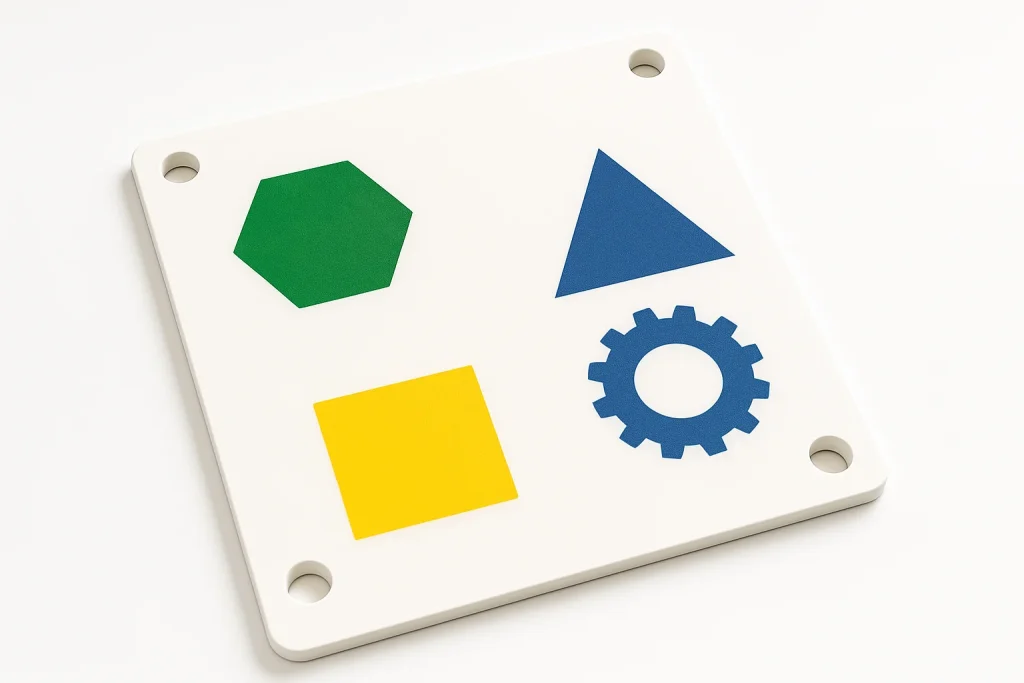
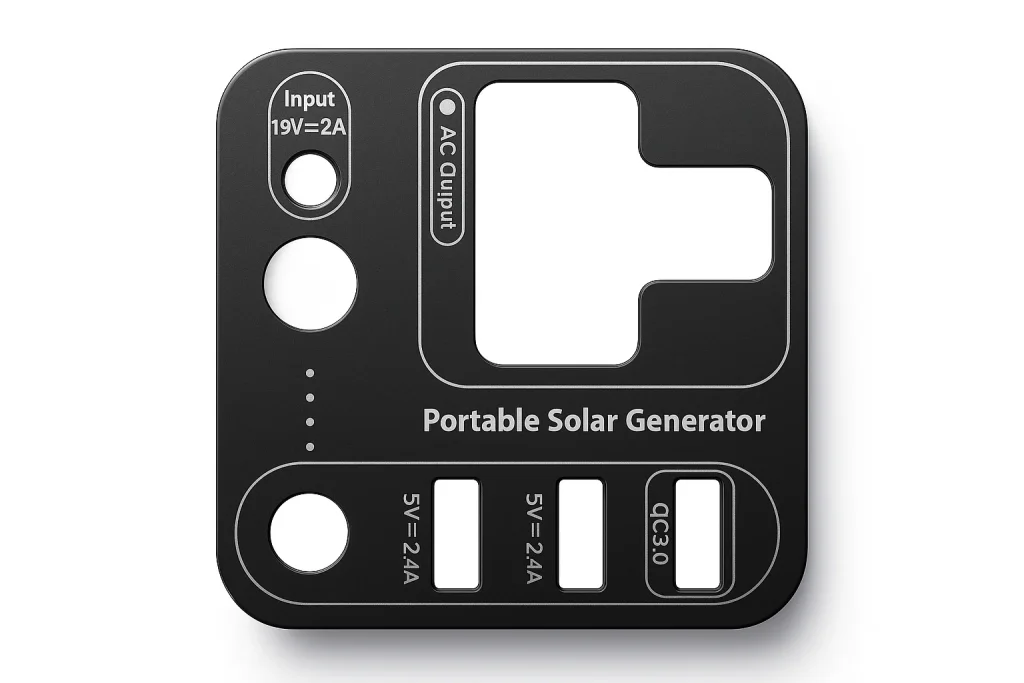
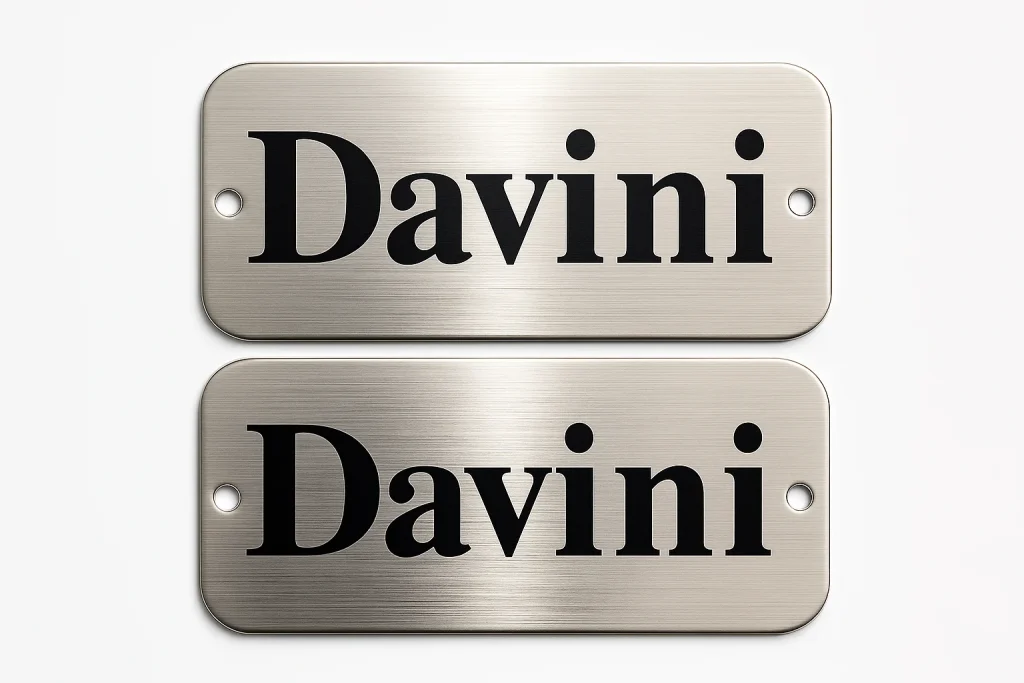
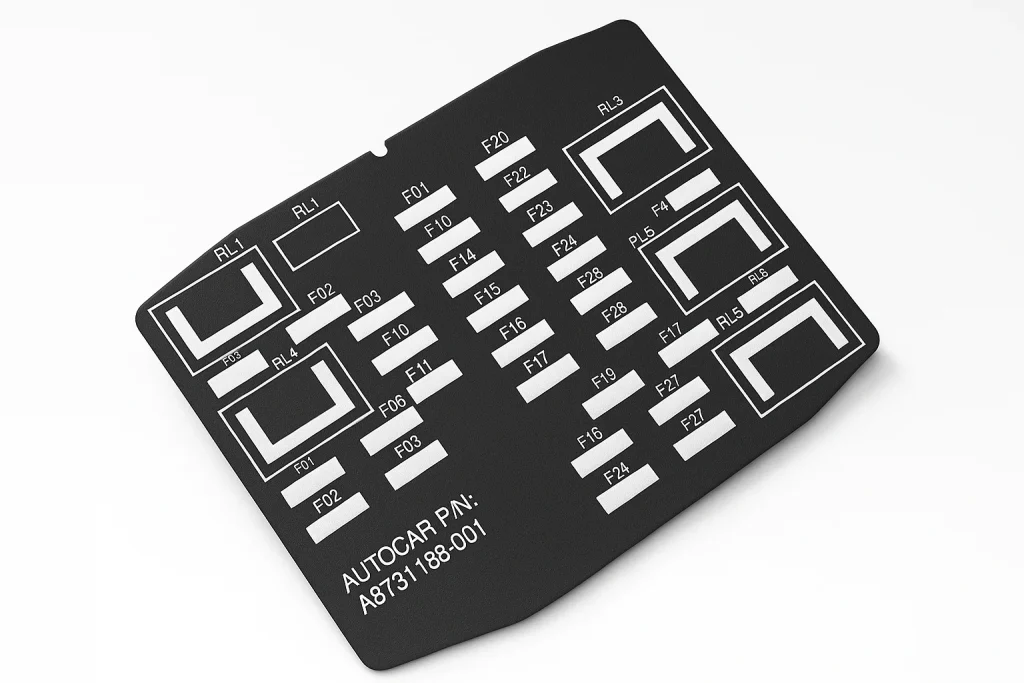
Silkscreen can utilize all standard colors, covering a wide range from bright, pure hues to soft tones.
Color Advantages: The ink layer can be applied thickly, providing high color saturation and strong opacity. Even on dark or special materials, the prints remain clear and vivid.
Gradients and Special Effects: Complex gradients are difficult to achieve in a single print but can be realized through color separation, overprinting, or auxiliary techniques.
Material Compatibility: Different substrate materials affect ink absorption and color appearance, so it is recommended to produce sample prints for critical colors in advance.

| Color Stability | Printing Precision | Durability | Material Versatility |
|---|---|---|---|
| Thick ink layers provide high color saturation with good resistance to light, wear, and water | Suitable for medium to low precision or moderately detailed patterns and text; details smaller than the mesh size may not be fully rendered | Silkscreen prints are highly durable and resistant to fading or peeling over long-term use | Can be applied to paper, plastic, glass, metal, textiles, and other materials; different materials require appropriate inks and curing methods |
Flat Surface Limitation: Silkscreen printing can only be performed on flat surfaces; curved or three-dimensional objects cannot be printed directly.
File Requirements: Design files should be in AI or SVG vector formats, with dimensions and positions indicated on the 2D technical drawings.
Operating Procedure: Prepare the screen → Prepare the substrate → Apply ink using a squeegee → Dry or cure → Conduct quality inspection.
Batch Adaptability: Suitable for medium to large-scale production; single-piece or small-batch production is relatively costly.